Find Relief From Dry Eyes at Centre Visuel D.R.

Dry eye occurs when the eyes do not produce enough tears or when the tears do not have the proper balance of components to adequately lubricate the eyes.

Assess Your Dry Eye Symptoms
Symptom of red eye and eye irritation

What Causes Dry Eye ?

Dry eye can have several causes that affect tear production, tear quality or tear evaporation. Common causes include:

Age: Tear production may decrease with age, making older adults more susceptible to dry eye.

Environmental factors: Exposure to wind, smoke and dry air, as well as extended screen time, can increase tear evaporation and contribute to dry eye symptoms.

Medical conditions: Conditions such as diabetes, rheumatoid arthritis, thyroid disorders and Sjögren’s syndrome can affect tear production and eye health.

Medications: Certain medications, including antihistamines, decongestants, antidepressants and some blood pressure medications, may reduce tear production.

Hormonal changes: Hormonal changes, particularly during pregnancy or menopause or while using oral contraceptives, may affect tear production.

Eyelid conditions: Incomplete eyelid closure and conditions such as blepharitis may interfere with the proper distribution of tears across the eye.

Reduced blinking: Prolonged activities such as reading, driving or using digital devices can reduce blinking frequency and increase tear evaporation. Extended contact lens wear may contribute to dry eye symptoms.
Symptoms

Dry eye symptoms generally affect both eyes and may include:

  • A gritty, sandy or stinging sensation
  • Burning
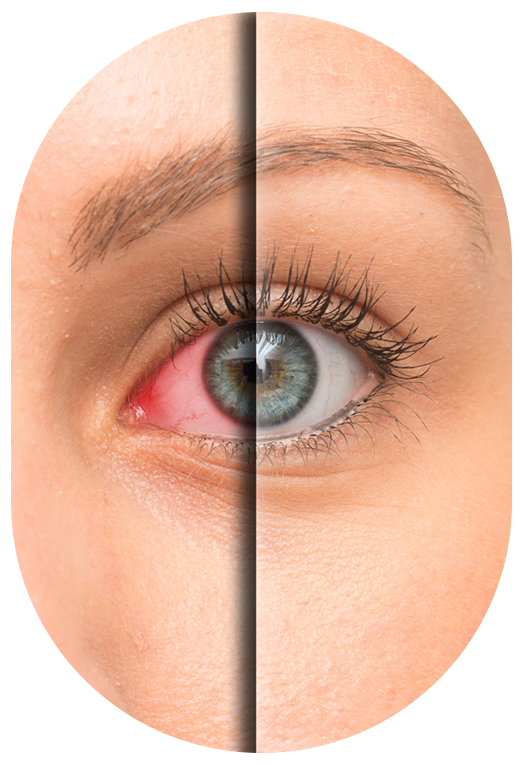
  • Redness
  • Watery eyes
  • Sensitivity to light
  • Discomfort when wearing contact lenses
  • Blurred vision or eye fatigue

How Is Dry Eye Diagnosed ?

A comprehensive assessment is essential. Identifying the underlying causes of your symptoms allows our eye care professionals to recommend an appropriate treatment plan.

Assess Your Dry Eye Symptoms
Comparison between a red, irritated eye and a normal-looking eye

Dry Eye Treatments.

  • High-quality artificial tears selected for your specific needs
  • PRGF treatment using plasma rich in growth factors
  • Prescription eye drops
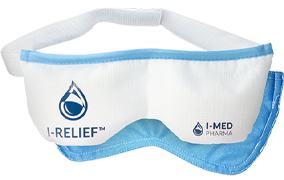
  • Warm eye masks
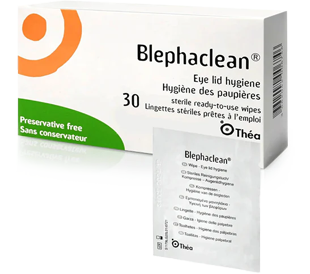
  • Eyelid hygiene
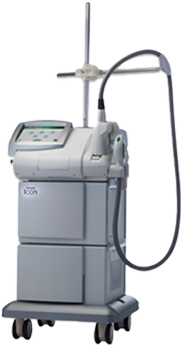
  • Intense pulsed light, radiofrequency or light therapy
  • Punctal plugs
  • Oral medication or supplements, when clinically appropriate

Artificial Tears
(i-Med, Labtician and Théa)

  • Preservative-free formulas
  • High-quality formulations
  • Formulas containing naturally derived ingredients
  • Products adapted to allergy-prone or sensitive eyes
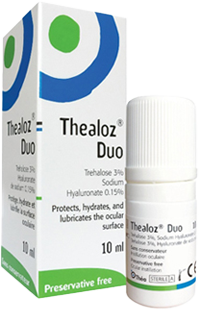
Thealoz Duo moisturizing eye drops

Prescription Eye Drops

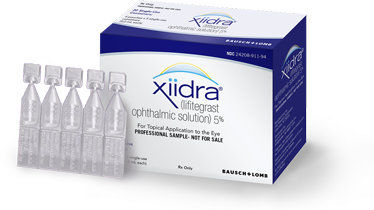
  • Antibiotic, anti-inflammatory eye drops (Xiidra, Restasis)
Xiidra ophthalmic eye drops in single-use ampules

Intense Pulsed Light Treatment

  • One to four sessions spaced approximately two to four weeks apart.
  • Help reduce eyelid inflammation
  • Support the function of the meibomian glands
  • Help reduce symptoms associated with evaporative dry eye
  • Provide longer-lasting relief for certain patients
  • Complement eye drops and eyelid hygiene
  • IPL is not suitable for every patient or every skin type
Ophthalmic diagnostic device used for an eye examination

Eyelid Hygiene

  • Clean and disinfect the eyelids
  • Remove makeup and debris
  • Provide a sterile, antiseptic cleansing option
  • Help improve the effectiveness of artificial tears
Blephaclean eyelid hygiene wipes box

Warm Eye Masks

Several types of warm eye masks are available to help soften meibomian gland secretions and support the tear film’s oily layer.

Eye heat mask designed for eye comfort and relaxation

Punctal Plugs

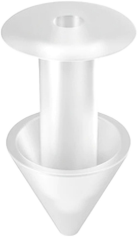
  • May be used to partially block tear drainage and help keep natural or artificial tears on the surface of the eye for longer
  • Generally inserted with minimal discomfort
  • May remain in place for several months, depending on the type selected
Plastic eye wash cup used for eye rinsing

Oral Medication and Supplements

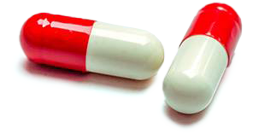
  • Omega: supplements may be recommended based on the patient’s overall health and clinical assessment
  • Antibiotiques : may sometimes be prescribed for more severe cases of blepharitis or meibomian gland dysfunction.
Oral medication in capsule form