Glasses and Contact Lenses in Châteauguay and Brossard

Do you prefer glasses or contact lenses

Book an appointment
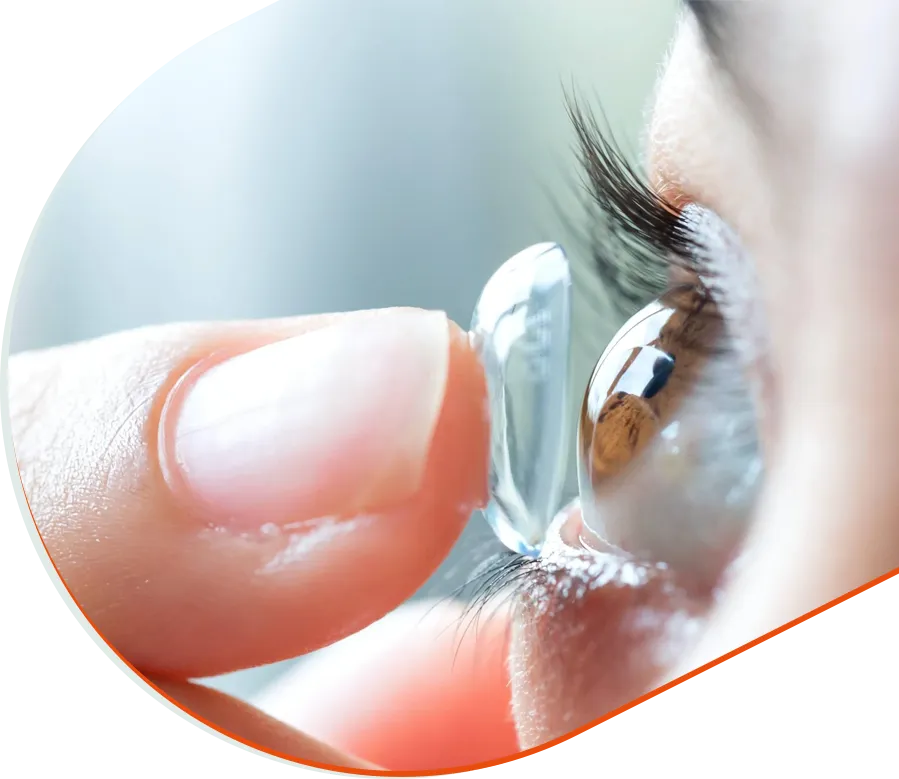
Applying a contact lens to the eye

An Assessment Tailored to Your Eyewear and Contact Lens Needs

Glasses and contact lenses offer different ways to correct your vision. If you are interested in contact lenses, your optometrist will assess your vision and eye health to determine whether they are appropriate for you. Your lifestyle, work, leisure activities and ocular surface health will all be considered. Following this evaluation, your eye care professional can recommend the type of vision correction best suited to your needs.

Your optometrist will also explain how to safely wear, handle and care for your contact lenses. A trial and fitting period is generally required. Adapting to contact lenses may take longer than adapting to glasses, depending on the patient and the type of lens selected.

Book an appointment
Contact lens cases

Choosing the Right Contact Lenses

Many types of contact lenses are available. Your prescription, eye health, lifestyle and wearing habits will help determine the most appropriate option.

Contact Lens Type and Design

The vision problem being corrected affects the design of the contact lenses you may need.

Options include: Soft contact lenses, Rigid gas-permeable contact lenses, Specialized lenses for more complex visual or ocular conditions

How Long Can Contact Lenses Be Worn

Daily-wear contact lenses must be removed before sleeping. Reusable lenses must be cleaned and disinfected according to the instructions provided for the prescribed product.

Sleeping in contact lenses can increase the risk of irritation, corneal injury and infection. Extended-wear lenses should only be worn overnight when they have been specifically prescribed for that purpose and according to your optometrist’s instructions.

Contact Lens Replacement Schedule

The replacement schedule depends on the type and material of the prescribed contact lens.

Some lenses are discarded after one day, while others are replaced every two weeks or once a month.

Never wear contact lenses beyond the prescribed replacement period, even if they still feel comfortable.

Disposable Contact Lenses

Disposable contact lenses offer a practical vision correction option. The most appropriate replacement schedule depends on your needs, lifestyle and optometrist’s recommendation.

Daily disposable contact lenses

Daily lenses are worn once and discarded at the end of the day. They require no cleaning or storage and may be suitable for occasional wearers, active individuals or some people with allergies.

Biweekly contact lenses

These lenses may be worn for up to two weeks, according to the prescribed schedule. They must be removed, cleaned, disinfected and stored properly after each use.

Monthly contact lenses

Monthly lenses may be reused for up to 30 days after opening, according to the manufacturer’s instructions and the prescribed wearing schedule. Careful daily cleaning and storage are required.

Your optometrist will assess your vision and eye health to determine which contact lenses are best suited to you.

Scleral Contact Lenses

Scleral lenses are specialized lenses that rest on the sclera, the white part of the eye, and vault over the cornea. A reservoir of preservative-free saline solution between the lens and the cornea may provide stable vision and improved comfort. Scleral lenses may be recommended for conditions such as keratoconus, irregular corneas and certain cases of severe dry eye.

These lenses require a comprehensive assessment, customized fitting and regular follow-up to support eye health, comfort and visual performance.

Contact Lens Care

Reusable contact lenses must be cleaned and disinfected according to the instructions provided by your optometrist and the lens-care product manufacturer. Daily disposable lenses must be discarded after use and should never be cleaned or reused. Proper care helps remove deposits and contaminants and reduces the risk of eye infection.

Important

If your contact lenses cause redness, irritation, pain, discharge, sensitivity to light or decreased vision, remove them immediately and contact an eye care professional.

Given the growing number of infections associated with contact lens use, optometrists are reiterating the importance of proper, thorough care of both contact lenses and their storage case.
Book an appointment
  • Always handle contact lenses with clean, dry hands;
  • Never rinse or store contact lenses in tap water, and avoid exposing contact lenses to water from swimming pools, hot tubs or showers;
  • Clean and disinfect reusable lenses using the recommended fresh solution;
  • Clean the case with the recommended solution and allow it to air-dry;
  • Never reuse or “top off” old disinfecting solution;
  • Replace the contact lens case regularly;

Eyeglass Lenses Adapted to Your Needs

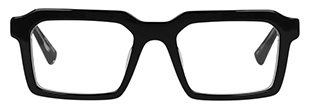
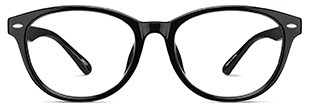
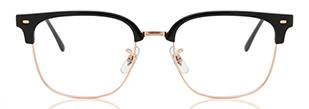
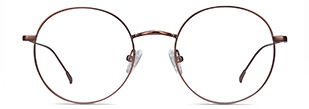
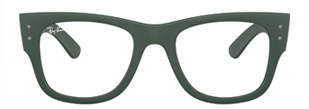
We offer a wide selection of eyeglass lenses designed to provide clear vision, comfort and protection while adapting to your lifestyle. Each pair is selected according to your prescription and visual activities, whether you need glasses for work, reading, screen use, driving or outdoor activities.

Single-Vision and Progressive Lenses

Single-vision lenses provide correction at one viewing distance. Progressive lenses combine distance, intermediate and near correction within the same lens. Your optometrist and optician will recommend the lens design best suited to your prescription, visual habits and comfort needs.

Blue-Light-Filtering Lenses

Blue-light-filtering treatments are available for patients who prefer this option. However, current research has not clearly demonstrated that these lenses reduce digital eye strain more effectively than standard lenses. Proper prescription, screen positioning, regular breaks, appropriate lighting and frequent blinking remain important for visual comfort during screen use.

Anti-Fatigue Lenses

Anti-fatigue lenses are designed to provide additional support during prolonged near-vision activities. They may be appropriate for certain office workers, students and frequent users of digital devices. An assessment will determine whether this type of lens is suitable for your visual needs.

Sunglass Lenses

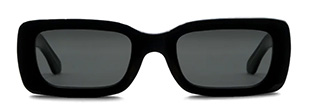
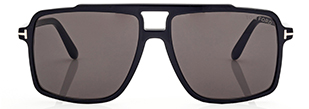
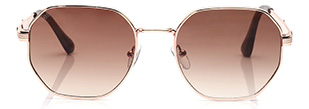
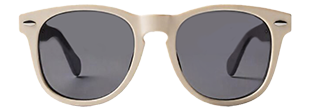
Prescription and non-prescription sunglass lenses help reduce glare and protect the eyes from ultraviolet radiation. Several colours, tints and lens options are available for driving, outdoor activities and sports.

Eyeglass Care and Adjustments

Proper care helps preserve the quality of your lenses and extend the life of your glasses. Clean your glasses daily using lukewarm water and a suitable lens-cleaning product, then dry them with a clean microfibre cloth. Avoid paper towels, abrasive fabrics and household cleaning products.

Professional eyewear services are also available at our clinics, including: Frame adjustments, Deep cleaning, Screw tightening, Nose pad replacement when needed. These services help maintain the comfort, alignment and performance of your glasses.

On-Site Lens Edging Laboratory

Our on-site edging laboratory allows certain lenses to be cut and adjusted directly at the clinic. This local service can provide greater precision, personalized quality control and shorter turnaround times for eligible prescriptions and lens types.

Book an appointment